


Selecting Business Vehicle Insurance: Choosing the Right Commercial Auto Insurance Plan

When it comes to protecting your business vehicles, selecting the right insurance plan is crucial. Business vehicles are essential assets that keep your operations running smoothly. Without proper coverage, you risk significant financial loss in case of accidents, theft, or damage. This guide will help you understand the key factors to consider when choosing a commercial auto insurance plan that fits your business needs.
Key Considerations for Selecting Business Vehicle Insurance
Choosing the right insurance plan for your business vehicles involves more than just picking the cheapest option. Here are some important factors to keep in mind:
Type of Vehicles: Different vehicles require different coverage. For example, a delivery van may need different protection than a company car or a heavy-duty truck.
Usage: How often and for what purpose the vehicle is used affects the insurance plan. Vehicles used for frequent deliveries or transporting goods may need higher coverage limits.
Number of Vehicles: If your business operates a fleet, you might benefit from a multi-vehicle policy, which can be more cost-effective.
Driver Profiles: The experience and driving records of your employees who operate the vehicles can impact your premiums.
State Requirements: Insurance requirements vary by state, so ensure your plan meets local legal standards.
By carefully evaluating these factors, you can narrow down your options and find a plan that offers the best protection and value.
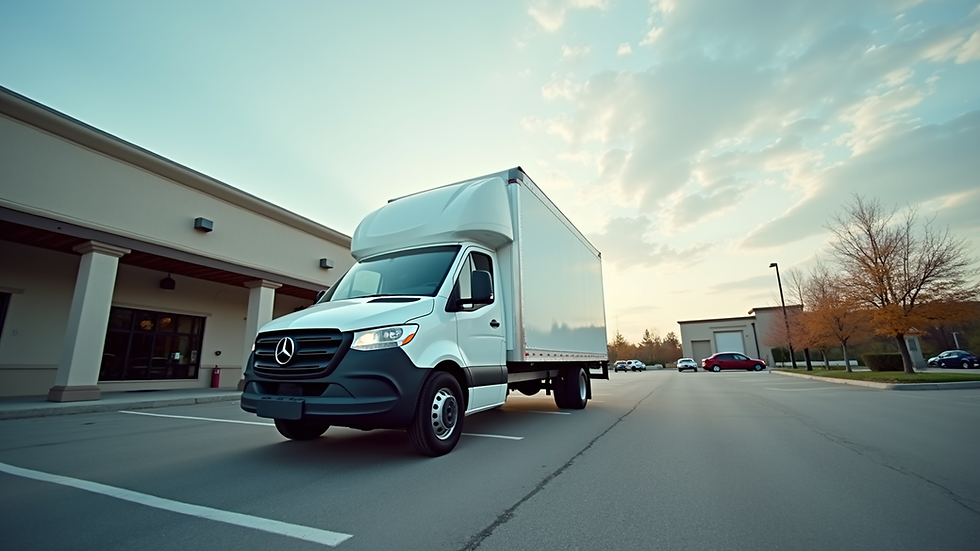
What is a Commercial Auto Policy?
A commercial auto policy is a specialized insurance plan designed to cover vehicles used for business purposes. Unlike personal auto insurance, this policy addresses the unique risks associated with business vehicle use. It typically includes coverage for:
Liability: Protects against damages or injuries caused to others in an accident involving your vehicle.
Collision: Covers damage to your vehicle resulting from a collision with another vehicle or object.
Comprehensive: Protects against non-collision-related damage such as theft, vandalism, or natural disasters.
Medical Payments: Covers medical expenses for the driver and passengers in your vehicle.
Uninsured/Underinsured Motorist: Provides protection if you are involved in an accident with a driver who lacks sufficient insurance.
Understanding these components helps you tailor your policy to your business’s specific needs, ensuring you are neither underinsured nor overpaying for unnecessary coverage.
How to Assess Your Business Vehicle Insurance Needs
Before purchasing a policy, conduct a thorough assessment of your business vehicle insurance needs. Here’s a step-by-step approach:
Inventory Your Vehicles: List all vehicles used for business, including their make, model, year, and primary use.
Evaluate Risks: Consider the risks associated with each vehicle’s use. For example, vehicles used in high-traffic areas or for hazardous materials transport may require higher coverage.
Determine Coverage Limits: Decide on the amount of coverage needed based on vehicle value, potential liability, and state minimums.
Review Driver Information: Collect information on all drivers, including driving history and experience.
Compare Quotes: Obtain quotes from multiple insurers to compare coverage options and premiums.
Check for Discounts: Ask about discounts for safe driving records, bundling policies, or installing safety devices.
This process ensures you select a plan that aligns with your business operations and budget.

Tips for Saving on Business Vehicle Insurance
Insurance costs can add up quickly, but there are ways to reduce your premiums without sacrificing coverage:
Maintain a Good Driving Record: Encourage safe driving practices among employees to avoid accidents and tickets.
Bundle Policies: Combine your commercial auto insurance with other business insurance policies for discounts.
Increase Deductibles: Opting for a higher deductible can lower your premium, but be sure you can afford the out-of-pocket cost if a claim arises.
Limit Personal Use: Restrict personal use of business vehicles to reduce risk.
Regular Vehicle Maintenance: Well-maintained vehicles are less likely to be involved in accidents or breakdowns.
Use Telematics: Some insurers offer discounts for installing tracking devices that monitor driving behavior.
Implementing these strategies can help you manage insurance expenses effectively.
Final Thoughts on Selecting Business Vehicle Insurance
Choosing the right insurance plan for your business vehicles is a critical decision that impacts your financial security and operational continuity. By understanding the types of coverage available, assessing your specific needs, and exploring cost-saving options, you can find a policy that offers comprehensive protection at a reasonable price.
For businesses looking to protect their vehicles and assets, investing time in selecting the right commercial auto insurance plan is a smart move that pays off in the long run. Make sure to review your policy regularly and update it as your business grows or changes.
Taking these steps will help you drive your business forward with confidence and peace of mind.


Comments